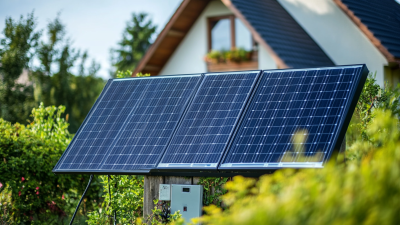
Picking out the right Photovoltaic Accessories is pretty important if you’re looking to get the most out of your solar energy system. I mean, with a recent report from the International Energy Agency predicting that solar capacity is gonna grow by a whopping 300% by 2030, it’s clear that making smart choices with your gear is more crucial than ever.
Dr. Emily Carter from SolarTech Innovations, who's definitely one of the go-to experts in this field, mentioned, “The right Photovoltaic Accessories can really give your system a performance boost.” So, it’s kinda like you want to think each component through carefully. Things like inverters, mounting setups, and batteries all have their own little quirks and specs—which directly impact how much energy you end up generating.
But, honestly, figuring all this out isn’t exactly a walk in the park. A lot of folks end up rushing their choices just because they see something cheap, and that’s not always the best idea. Picking the wrong accessories can cause your system to run inefficiently, perform badly, or even break down. So yeah, it’s worth taking some time to understand what features really matter when it comes to Photovoltaic Accessories. Better to be informed than regret it later, right?
Understanding Photovoltaic Systems and Their Components
Understanding photovoltaic systems is crucial for anyone considering solar energy. A typical photovoltaic system includes solar panels, inverters, and mounting structures. Each component plays a unique role in harnessing sunlight and converting it into electricity. For instance, in 2022, the global solar market reached over 200 gigawatts, highlighting the increasing demand for effective systems and quality accessories.
Choosing the right Photovoltaic Cables is often overlooked. These cables connect solar panels to inverters and must endure various environmental factors. Data shows that subpar cables can reduce efficiency by up to 20%. Waterproof and UV-resistant cables are essential, especially in harsh climates. Additionally, the length of the cables can impact energy loss. If the cables are too long, resistance increases, leading to more energy wasted.
Choosing accessories that align with your system is challenging. Some may underestimate the importance of quality connectors and other small components. A 2023 report indicates that nearly 15% of solar system failures are due to connector issues. Investing in durable connectors can mitigate these risks. Overall, understanding each component's role can prevent costly failures and enhance the longevity of your photovoltaic system.
Importance of Selecting the Right Accessories for Solar Installations
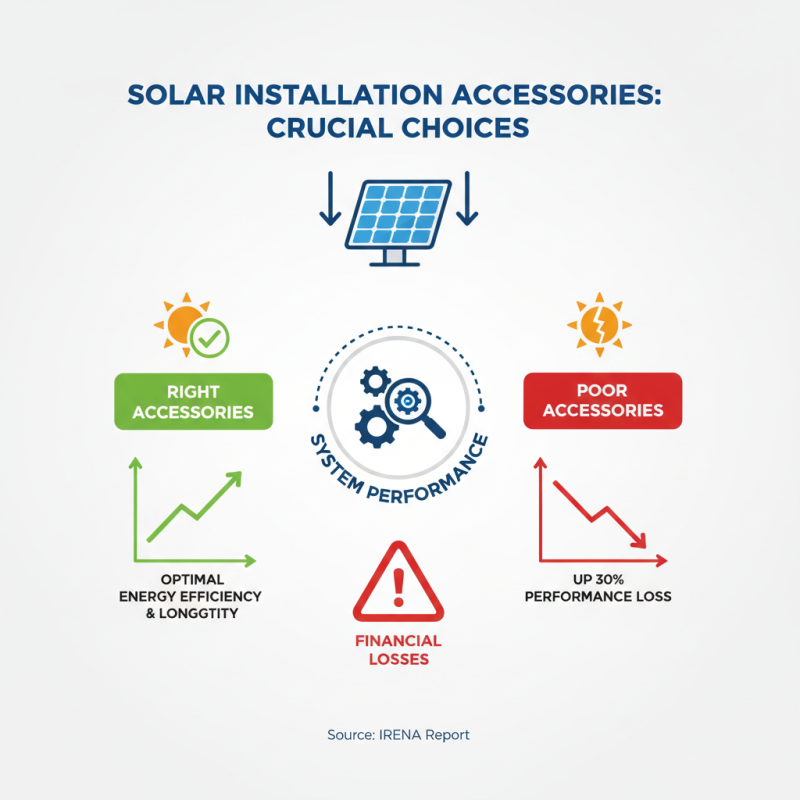
Choosing the right accessories for solar installations is crucial. It directly impacts energy efficiency and system longevity. According to a recent report by the International Renewable Energy Agency, poorly selected accessories can reduce system performance by up to 30%. This loss can lead to significant financial implications for users.
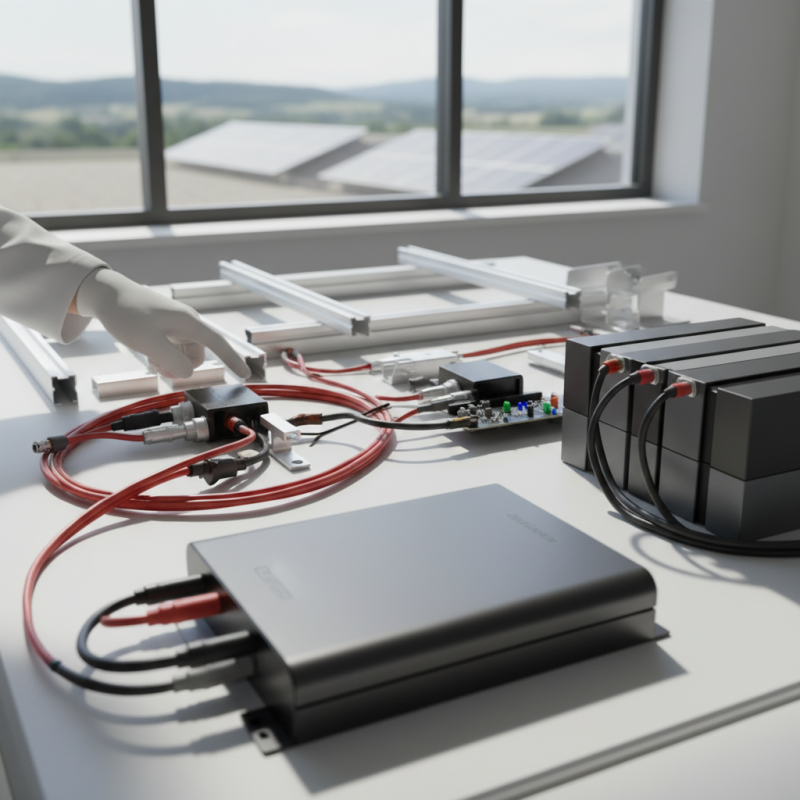
Accessories include inverters, mounting systems, and cabling. Each component must be compatible with the solar panels and the overall system design. For instance, using substandard cables can lead to energy losses and safety hazards. Industry surveys reveal that 15% of installations experience issues due to improper accessory selection. These errors often stem from a lack of understanding or insufficient planning.
Investing in quality accessories pays off. A well-chosen inverter can enhance system output by 10-15%. However, many installers overlook this detail. They may prioritize cost over quality, leading to future regrets. Reflecting on past installations reveals how critical these decisions are. Ensuring that every accessory is suited to the unique needs of the solar system leads to better performance and durability.
Types of Photovoltaic Accessories and Their Functions
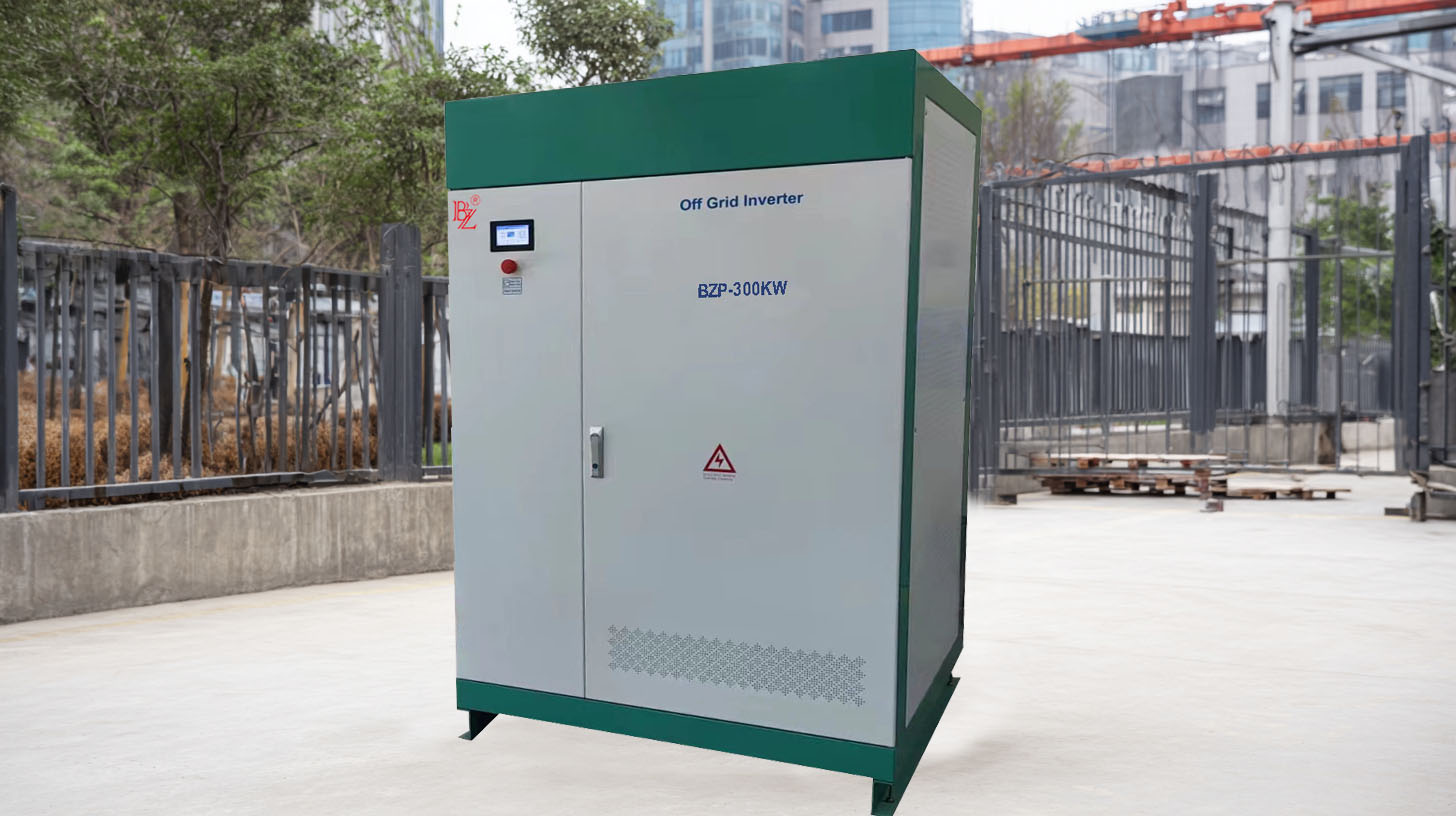
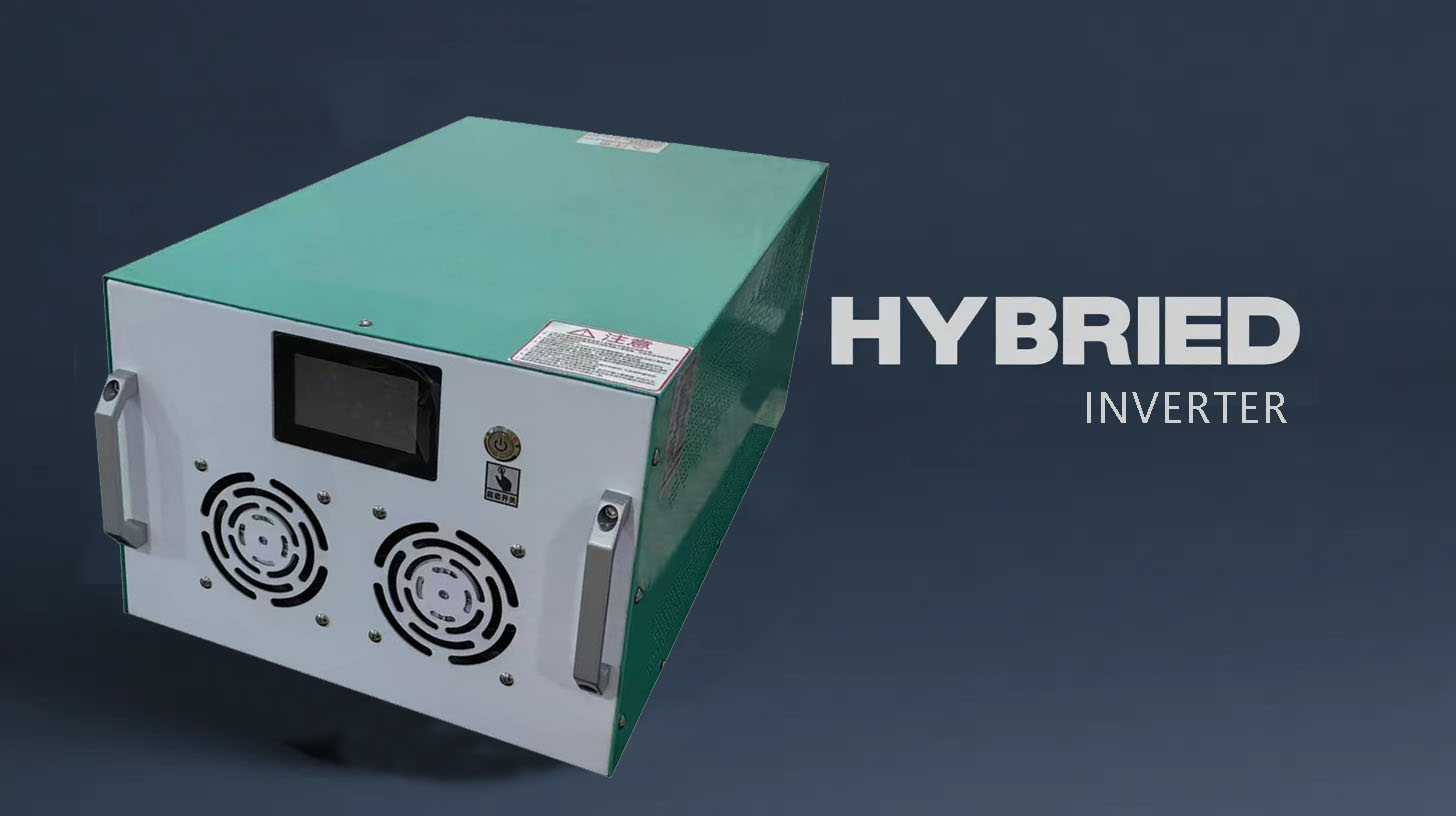
When selecting photovoltaic accessories, it's crucial to understand their types and functions. Solar Inverters convert the DC electricity generated by solar panels into AC electricity for home use. Without the right inverter, your system can underperform. Monitor compatibility is also important. They're essential for tracking the energy production of your system.
Mounting hardware is another key component. It secures solar panels on roofs or ground. If not installed correctly, panels can become loose over time. Additionally, wires and connectors facilitate the flow of electricity. They come in various sizes and qualities. Improper wiring can lead to inefficiencies or even safety hazards.
Batteries are vital for those who want stored energy. They offer power during outages or at night. However, they often require maintenance and can be costly. Lastly, charge controllers regulate battery charging and prevent overcharging. Selecting the wrong type can damage batteries and reduce lifespan. Choosing accessories wisely ensures a reliable and efficient photovoltaic system.
How to Choose the Right Photovoltaic Accessories for Your System?
| Accessory Type | Function | Recommended Specifications |
| Solar Inverter | Converts DC power from solar panels to AC power for home use. | String or micro-inverter, efficiency above 95%. |
| Mounting System | Supports the solar panels and ensures they are securely installed. | Aluminum or galvanized steel, corrosion-resistant. |
| Charge Controller | Regulates the voltage and current from solar panels to batteries. | MPPT or PWM type, capacity matching battery bank. |
| Battery Storage | Stores excess energy generated by solar panels for use when needed. | Lithium-ion or lead-acid, capacity based on consumption needs. |
| Wiring and Connectors | Connects all components of the photovoltaic system securely. | UV-resistant and weatherproof, suitable gauge to handle system current. |
| Monitoring System | Tracks energy production and system performance over time. | Wi-Fi or Ethernet connectivity, user-friendly interface. |
Key Factors to Consider When Choosing accessories
Choosing the right photovoltaic accessories is crucial for an efficient solar system. One key factor is compatibility. Ensure all components work together seamlessly. Mismatched accessories can lead to poor performance. Check specifications carefully.
Durability is another essential aspect. Solar systems face harsh weather. Accessories should withstand rain, heat, and snow. Look for materials known for their resilience. They should last longer and require less maintenance.
Cost is often a concern. While cheaper options may seem appealing, they can lead to higher long-term costs. Invest in quality to avoid frequent replacements. However, balancing budget and quality can be tricky. Reflect on your choices before buying.
Quality vs. Cost: Finding the Right Balance in Accessories
Choosing the right photovoltaic accessories is crucial. Quality and cost often clash. A 2021 market study indicated that up to 30% of total system costs can come from accessories alone. This makes the selection process challenging. Many customers focus on price. They may overlook vital aspects of quality and durability.
For instance, a reliable 1500vdc Photovoltaic Array Combiner Box enhances system efficiency. However, cheaper alternatives often compromise safety and performance. Using subpar components leads to potential failures. A report by the Solar Energy Industries Association highlighted that improper accessory choices could result in a 10% reduction in overall efficiency.
Investing in quality accessories pays off long-term. Upfront costs may be higher, but they lower maintenance needs and extend system lifespan. Quality products often come with warranties. This can provide peace of mind. Cost is essential but shouldn’t overshadow quality. A careful balance is necessary for optimal system performance.
Installation and Maintenance Considerations for Photovoltaic Accessories
When choosing photovoltaic accessories, installation and maintenance are critical. Proper installation ensures efficiency. A report by the International Energy Agency highlights that poor installation can reduce energy output by up to 30%. Correctly aligning the components is essential for optimal performance. For instance, voltage regulators should be installed close to the panels for better response.
Routine maintenance should not be overlooked. Neglecting this can lead to significant system failures. Keeping connectors clean is vital; dirt can hinder performance. An estimated 15% of photovoltaic systems experience degradation due to maintenance neglect. For an Island Photovoltaic Lithium Power System, this is particularly relevant.
Consider inverter placement and airflow. Improper placement can lead to overheating. This can damage equipment and impact efficiency. The Environmental Protection Agency suggests that regular system checks can improve longevity. Plan for inspections twice a year. This ensures that defects are identified early. Remember, accessories are the backbone of any photovoltaic system.
Future Trends in Photovoltaic Accessories and Technologies
The future of photovoltaic accessories is shaped by advancements in technology and market demands. Industry reports indicate that the global photovoltaic market is projected to grow at a CAGR of 20% from 2021 to 2026. Accessories like inverters, batteries, and monitoring systems will see significant innovation. The integration of smart technology, such as IoT solutions, is becoming crucial for enhancing system efficiency.
In particular, the emergence of the Photovoltaic Carport Energy Storage Plant is noteworthy. These structures not only generate solar energy but also provide charging facilities for electric vehicles. Reports suggest that carports equipped with energy storage systems can improve energy utilization by up to 30%. However, challenges remain, such as the high initial costs and complex installation processes.
As the technology matures, issues like interoperability between different systems arise. Stakeholders must consider compatibility to maximize benefits. Emerging trends include modular systems that allow for scalability. Data shows that 40% of consumers prefer solutions that can be expanded over time. With ongoing development, the sector must address these challenges while promoting sustainable energy solutions.
Innovative Solutions for Agriculture: The Role of Photovoltaic-Grid Complementary Water Pump Inverter in Sustainable Farming
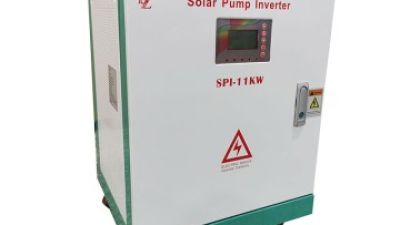
In the pursuit of sustainable agriculture, innovative technologies play a crucial role in enhancing efficiency and ensuring resource availability. One such groundbreaking solution is the photovoltaic-grid complementary Water Pump Inverter system. This advanced system seamlessly integrates solar energy with grid electricity, allowing for uninterrupted water pumping operations even during adverse weather conditions such as cloudy or rainy days. This capability is particularly important for farmers who rely on consistent and efficient irrigation for crop production.
The key feature of this inverter system is its ability to transition smoothly between solar power and grid electricity. By optimizing energy use, it maximizes the operational hours of water pumps, thereby making a significant contribution to agricultural productivity. As farms face the challenges of climate variability, this technology represents a vital step towards achieving all-weather farming practices, ensuring that crops receive the necessary water supply regardless of fluctuations in weather patterns. The implementation of such sustainable solutions not only enhances efficiency but also supports the broader goals of environmental stewardship and resource conservation in agriculture.
FAQS
: Begin with small, manageable steps. Focus on consistency over intensity.
Track your progress regularly. Celebrate small wins. Remind yourself why you started.
Reflect on what went wrong. Analyze your approach. Learn and adjust your plan moving forward.
It varies for everyone. Generally, it takes several weeks to solidify a habit.
Yes, find short time slots. Fit small actions into daily routines. Even minimal effort counts.
Re-evaluate your goals. Sometimes goals need to be adjusted. Passion can fluctuate; it’s normal.
Conclusion
Choosing the right photovoltaic accessories is crucial for optimizing solar system performance. Understanding the various components of photovoltaic systems and the importance of selecting appropriate accessories can significantly enhance energy efficiency. Key types of accessories, such as inverters, mounting systems, and monitoring devices, each serve specific functions that impact the overall functionality of solar installations.
When selecting photovoltaic accessories, factors like compatibility, durability, and cost-effectiveness play vital roles. Striking the right balance between quality and affordability is essential to ensure long-term reliability. Additionally, installation and maintenance considerations are critical for the seamless operation of these accessories. As technology evolves, staying informed about future trends in photovoltaic accessories will help users make informed decisions, ultimately maximizing their solar investment.